Top 10 Advantages of Virtual Server Hosting for Your Business?
In today's digital landscape, businesses need efficient solutions. Virtual server hosting stands out as a preferred choice. This option offers powerful benefits that can elevate business performance.
One major advantage of virtual server hosting is its cost-effectiveness. Companies can save money on hardware and maintenance. They can also scale resources according to demand. This flexibility is essential for growth. Furthermore, virtual server hosting enhances reliability. It minimizes downtime, ensuring that businesses remain operational.
Security is another critical aspect. Providers often offer advanced security features. However, some businesses still underestimate these risks. It’s crucial to assess security measures regularly. Virtual server hosting can be a game changer if utilized effectively. Companies must not ignore the ongoing evaluations to maximize its potential.
Advantages of Cost Efficiency in Virtual Server Hosting
Virtual server hosting offers significant cost efficiency for businesses. According to a recent industry report by MarketsandMarkets, the virtual server market is projected to grow from $3.29 billion in 2021 to $11.66 billion by 2026. This explosion in growth reflects how businesses are adapting to save on operational costs. With virtual hosting, companies can reduce the expenditure tied to physical hardware. They often require less power and maintenance, cutting additional costs.
In fact, businesses can save up to 50% in operational costs by transitioning to virtual server hosting. This shift helps minimize the need for extensive IT infrastructure. The flexibility offered by virtual servers allows for scaling resources according to demand, which is a game-changer for growing companies. However, some may experience initial setup challenges and a learning curve that could lead to temporary inefficiencies.
The monthly cost for maintaining physical servers can be steep. With virtualization, users often pay only for the resources they actually utilize. Additionally, emergency resource allocation can complicate financial planning. Investing in virtual hosting may seem daunting, but the long-term savings typically outweigh these challenges, allowing companies to reallocate resources toward growth.
Top 10 Advantages of Virtual Server Hosting for Your Business
| Advantage |
Description |
Cost Efficiency |
| Scalability |
Easily scale resources up or down based on business needs. |
Reduces costs by only paying for what is used. |
| Flexibility |
Allows for quick adjustments to server configurations. |
Minimizes financial risk with adaptable spending. |
| Cost Savings |
Reduces hardware and maintenance costs. |
Eliminates the need for expensive physical servers. |
| Accessibility |
Access data and applications from anywhere. |
Improves productivity without extra resources. |
| Backup Solutions |
Automated backups prevent data loss. |
Reduces costs of data recovery solutions. |
| Security |
Enhanced security measures protect business data. |
Prevents costly breaches and associated fines. |
| Performance |
Improved reliability and speed of applications. |
Efficient resource allocation lowers operational costs. |
| Environmentally Friendly |
Less energy consumption compared to physical servers. |
Reduces utility costs, contributing to savings. |
| Support |
24/7 technical support ensures minimal downtime. |
Lowers costs associated with in-house IT staffing. |
| Disaster Recovery |
Quick recovery solutions minimize downtime. |
Decreases costs related to business disruptions. |
Scalability Benefits of Virtual Server Hosting for Growing Businesses
Scalability is a key advantage of virtual server hosting, especially for growing businesses. As your company expands, you need more resources. With virtual servers, adding resources is usually straightforward. You can adjust storage, memory, and processing power to meet your needs. This flexibility can be a game-changer, allowing your business to adapt to market changes quickly.
However, it’s important to consider the potential drawbacks. Sometimes, scaling can lead to unexpected costs. If resources are not monitored closely, businesses may overspend. Additionally, improper scaling can cause performance issues. It’s crucial to assess your needs carefully and plan accordingly. Regular reviews of your resource usage can prevent unnecessary expenses and ensure your system remains efficient.
Moreover, virtual server hosting allows you to scale without physical hardware. This can save time and reduce physical space needed in your office. You don’t have to deal with the hassle of hardware upgrades. But remember, over-reliance on this flexibility can lead to complacency. Regular assessments are vital to make the most of scalability benefits and ensure you're not left behind as your industry evolves.
Top 10 Advantages of Virtual Server Hosting for Your Business
This bar chart represents the top 10 advantages of virtual server hosting for businesses along with their effectiveness ratings. The advantages include cost efficiency, scalability, and improved performance, demonstrating how virtual server hosting can significantly benefit growing businesses.
Enhanced Security Features in Virtual Server Hosting Solutions
Enhanced security features are one of the most attractive aspects of virtual server hosting. With cyber threats on the rise, protecting sensitive data is essential. Virtual servers often include robust firewalls that can automatically block unwanted traffic. Many also offer intrusion detection systems that alert you to suspicious activities. The layered security approach minimizes vulnerability.
Encryption is another critical feature. Data transmission is protected from unauthorized access. Many businesses underestimate this necessity; they may not realize how easily data breaches can occur. Virtual server hosting solutions provide VPN options. This ensures secure remote access for employees. Yet, these tools can be complex and require proper configuration.
Backup services are typically integrated into virtual hosting plans. Regular backups help in data recovery. However, businesses often neglect to verify these backups. Testing recovery procedures is just as important. Many overlook this aspect. Enhanced security is only effective if it's implemented correctly.
Improved Data Management and Backup Options with Virtual Hosting
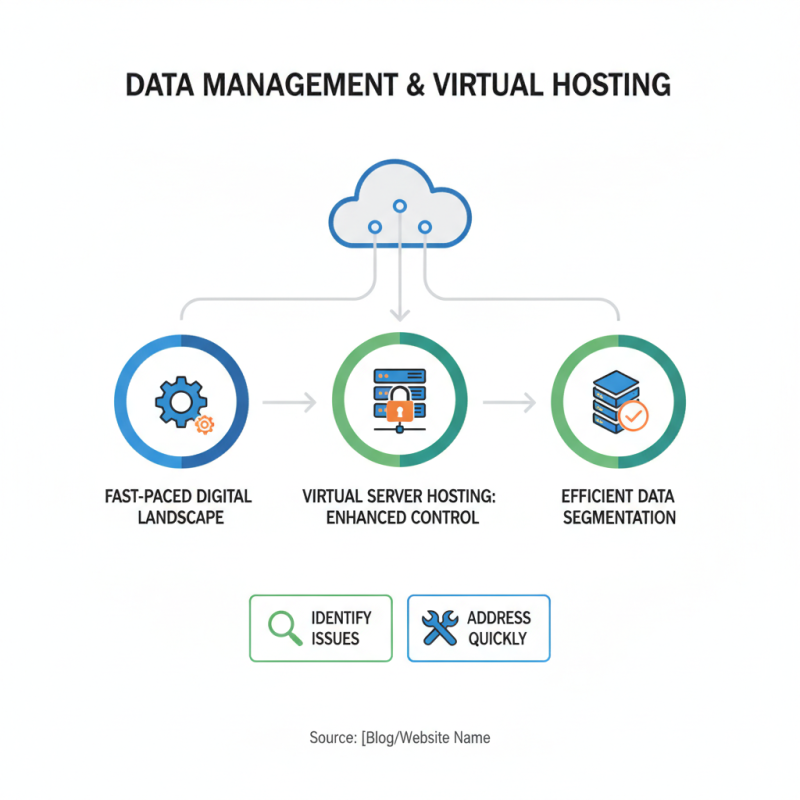
In today's fast-paced digital landscape, effective data management is crucial. Virtual server hosting offers businesses enhanced control over their data. With virtual hosting, companies can segment their data efficiently. This segmentation helps in identifying and addressing specific issues quickly.
Backup options are also improved with virtual hosting. Businesses can automate backups, reducing the likelihood of human error. Still, it’s essential to regularly test these backups. Sometimes, data recovery processes can be flawed. If a problem arises, it can lead to significant downtime. Regular checks ensure data integrity.
Moreover, scaling resources becomes simpler. As a business grows, data needs change. Virtual hosting allows easy adjustments without major disruptions. However, companies must be cautious. Over-reliance on virtual solutions can lead to challenges. Finding the right balance between virtual and traditional methods is key. Making thoughtful decisions is essential, as not all businesses are the same.
Flexibility of Virtual Server Hosting for Diverse Business Needs
Virtual server hosting offers unmatched flexibility tailored to diverse business needs. It allows companies to scale resources easily as demands fluctuate. According to a 2022 report from Gartner, 70% of organizations found that virtual servers enhanced their operational efficiency. This adaptability supports growing teams and fluctuating workloads, making it an attractive option for startups and large enterprises alike.
Moreover, businesses can customize their virtual environments. A study by IDC highlights that 60% of firms chose virtual servers due to their ability to rapidly deploy applications. This is crucial for businesses needing speed in response to market changes. However, some companies face challenges when managing these virtual environments. Skill gaps can lead to inefficiencies.
Cost-efficiency is another critical advantage. Companies save 20-30% on overhead by choosing virtual solutions over physical servers, as per findings from a Forrester report. Yet, it's essential to balance cost with performance. Failing to monitor server performance can negate these savings. Hence, regular assessments are necessary.